

Mortgage co-signing is becoming much more relevant today. With real estate prices soaring and the introduction of a more stringent stress test in 2018, it is increasingly difficult for first-time buyers to access the residential market. That’s why so many denied applicants are turning to the Bank of Mom and Dad.
If your mortgage application was denied – leveraging parents (with strong financial reputations) as co-signers on your application can significantly improve your chances of being approved. Let’s explore the details and implications of engaging a mortgage co-signer.
What is a Mortgage Co-Signer?
A mortgage co-signer is someone who agrees to share the responsibility for your mortgage payments. If you are unable to qualify for a mortgage alone, someone with a stronger financial position can step in to help. This mortgage solution gives lenders increase comfort with applicants that have low income (to afford the house they want) or weak credit. A co-signer – who looks better on paper – can improve the quality of your application by agreeing to make the payments in case you cannot.
The most popular co-signers are family members, where there is a strong relationship of trust. Parents co-sign for their children who can later return the favour and co-sign for their retired parents. There is no legal stipulation that a co-signer must be related to the applicant, it’s just the most common type that we see.
There are two different ways that a co-signer can help:
1. Co-Borrower
In this case, the co-signer effectively purchases the home alongside the applicant. Their name is placed on the title and both parties are considered equally responsible for the debt should the mortgage go into default. There are tax implications and estate planning considerations that should be extensively explored with a real estate lawyer in this scenario.
2. Guarantor
In this case, a co-signer is not named on the asset, but they are still responsible for servicing the loan if it goes into default. The co-signer is not considered to be an owner in this example – and does not have any legal connections to the property itself. This is not as common as the co-borrower approach, and not all lenders are willing to process applications with guarantors.
When is Co-Signing Required?
An applicant can benefit from a co-signer when their debt service ratios are too high to qualify alone. In other words, if too much of the applicants’ income is required to service home expenses (mortgage payment, taxes, utility costs) and existing loans they may not qualify for the payment structure to afford the kind of home they want to purchase.
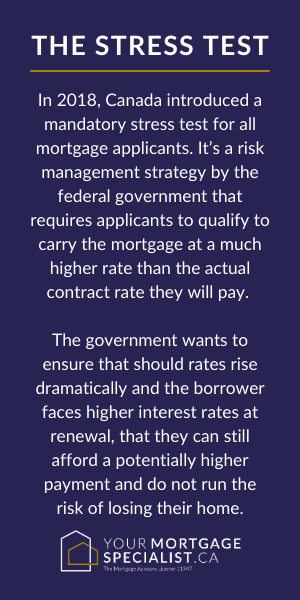
It is important to note that an applicant may very well be able to satisfy their debt payments for the mortgage term – and still be denied. In other words, they may be able to pay a 20% down payment and afford the regular mortgage payment and still be denied. That’s because the application process boils down to what the numbers say on paper and in order to borrow responsibly, they must pass the mandated stress test.
This test combined with today’s hot residential market are the two significant factors that are making it more challenging for first-time buyers to purchase a home. The result has been an increased reliance on parental co-signers to make their homeownership dreams possible. But not all parents are considered to be excellent candidates for co-signing.
What are the Best Co-Signer Qualities?
If you are looking for a good co-signer to improve your mortgage application, you need to consider what gaps exist in your financial records. Usually, you are looking for a minimum of the following:

1. Strong Income
A Lender will be looking to make sure the income of your co-signer will cover their debt service ratio in addition to this full payment (if required).
2. Good Credit History
This is the ultimate test of financial character and responsibility. Lenders will be looking to make sure the applicant is balancing out their financial gaps with someone who has a reliable track record.

The Trust Factor
There are number of considerations that should be explored before entering into a co-signing agreement. Here is a link to a great article that we think does a thorough job of capturing the main ones.
As with all large financial transactions, trust is a key consideration for both parties. For the co-signer, they should be contemplating the character and stability of the person requesting their fiscal support. Co-signing is a big legal and financial responsibility that could seriously impact the co-signer’s credit rating and financial position. It should be considered for individuals that you know well and trust to be responsible.
For the original applicant, they should choose a co-signer that they trust to be named on their asset as an owner. Additionally, the applicant should seriously ponder whether or not they are worthy of the co-signer’s support as financial disputes can be devastating, especially within a family. Again, this is not an agreement that should be entered into lightly.
Two Co-Signing Best Practices:
In our experience, there are two extremely important elements to a successful co-sign agreement:

1. Independent Legal Advice
Both parties should seek independent legal advice from an experienced real estate lawyer. This is to ensure they fully understand their obligations, rights, and tax implications as it relates to the property.
2. Updated Will & Testament
All parties should have updated wills to address their intentions upon death and give their executor clear direction with respect to their ownership.

If you’ve been declined for a mortgage based on income or credit history, don’t fret: your homeownership dreams are still possible. With the right mortgage agent you can explore the impact of a strong co-signer to balance out the gaps in your application. And remember, a co-signer doesn’t have to own a piece of your property, or ever pay a penny for you. It’s added security for the lender to feel comfortable about the numbers on paper. …and who knows? Someday in the future you can look forward to paying that support back for retired parents or forward for your kids.
If you have questions about engaging a co-signer for your mortgage application, don’t hesitate to contact our team directly. We are here to deliver real help for real life.

Trackbacks/Pingbacks